How changes to the Clean Water Act threaten water we depend on
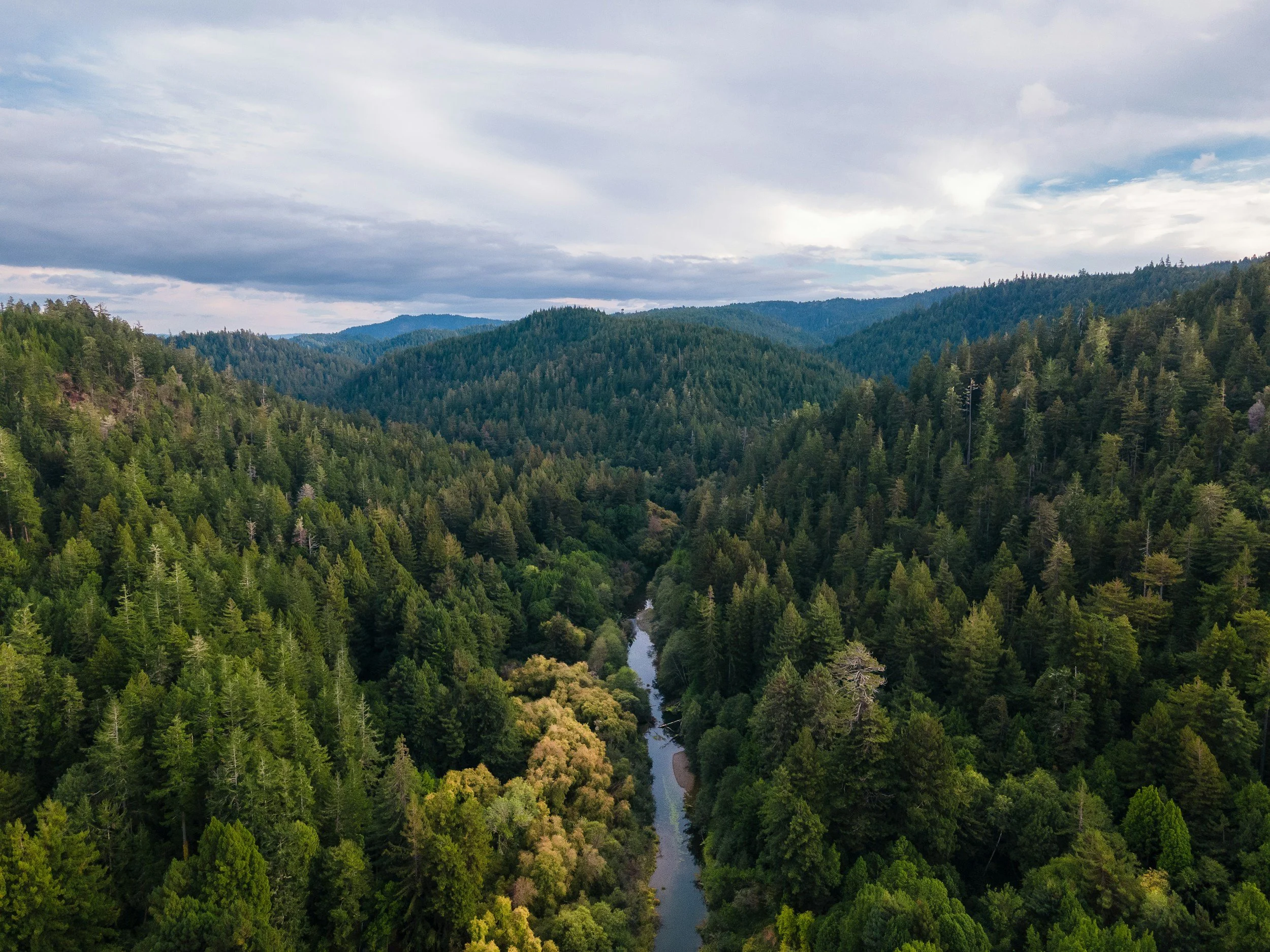
The Rogue River is fed by popular waterways such as the Applegate and Illinois Rivers as well as small streams and wetlands from its headwaters outside of Crater Lake National Park to its mouth at the Pacific Ocean. It is important fish habitat, provides drinking water to communities in southern Oregon, and offers world-class recreation for those near and far.
Oregonians know that clean water is not optional—it is the lifeblood of our communities, our economy, ecosystems, and our very lives. From the headwaters of the Rogue to the Applegate and Illinois Rivers, small streams and wetlands feed our drinking water supplies, sustain salmon and steelhead, and support farms and recreation.
Right now there is an attack occurring from two fronts on the foundational law that protects water quality: the Clean Water Act (CWA). Proposed changes by the Environmental Protection Agency (EPA) and the U.S. Army Corps of Engineers to the definition of Waters of the United States (WOTUS), combined with Congress’ so-called “Promoting Efficient Review for Modern Infrastructure Today Act” or (PERMIT) Act (H.R. 3898) would both allow the discharge of a range of pollutants into waterways of all kinds and would put the waters we all love and depend upon at serious risk. The two proposals weaken the Clean Water Act in many ways including stripping protections from many seasonal and headwater streams and wetlands, leaving them vulnerable to pollution, filling, or destruction with little to no accountability. These proposals go beyond codifying the Supreme Court’s Sackett v. EPA 2023 decision to further reduce the scope of federal CWA jurisdiction to eliminate oversight of many activities that pollute water.
“The proposals reject the science of how water functions & is connected on the landscape while creating new definitions & exclusions that further reduce the ability of the CWA to protect water both by the federal government & the states themselves. ”

Rogue Riverkeeper mobilized with many other groups and community members to stop the proposal for the Jordan Cove LNG pipeline to protect Oregon’s water quality.
The PERMIT Act is a sprawling and far-reaching bill that strips away long-standing safeguards for rivers, streams, and communities. Its most dangerous component targets Section 401 of the Clean Water Act, which is the core power states and Tribes use to review and place conditions on certain types of projects (like dams, pipelines, and large developments) to protect water quality. The use of Section 401 was how Rogue Riverkeeper and other groups were able to stop the Jordan Cove Pacific Connector LNG Pipeline in 2021. In that case, the Oregon Department of Environmental Quality (DEQ) denied the necessary Section 401 Water Quality Certification in 2019, stating the project couldn't meet state clean water standards, which ultimately blocked federal approvals, as the Federal Energy Regulatory Commission (FERC) couldn't override the state's authority.
If the PERMIT Act passes, it would remove the use of Section 401 in a way that would handcuff Oregon's ability to protect its waters by narrowing the ability of the state to review pollution and forcing the state to ignore cumulative and downstream impacts that could warm water, block fish passage, or worsen water quality in rivers like the Rogue. Another provision would block the ability of states to enforce their own water quality standards if they were stronger than federal minimums. Oregon would lose the power to apply its own state laws to safeguard drinking water or protect native fish runs, erasing essential local protections. Even if a state manages to impose conditions on a project, it could not enforce them. That power would be transferred to federal agencies, taking authority away from the people who know and depend on these rivers most. The bill would also allow political appointees to exclude waters so that top officials at EPA or the Army Corps of Engineers could exclude any waters they choose from protection, without public input, science, or oversight.
The list of harms from the bill and the proposed rule change goes on to include many other proposals to change numerous aspects of the Clean Water Act that will work to tilt the scales away from science and public oversight in the name of “streamlining” permits, but the reality is fewer protections, less accountability, and more pollution in the waters we all depend on in the Rogue basin. The hacking away at laws like the Clean Water Act are how self determination and power is taken away from citizens, states, tribes, and communities. It is how corporations take control and gain power and our environment loses. Oregonians have worked too hard to restore and protect our state’s waterways to watch the gains under a functioning Clean Water Act erased. We should be strengthening clean water laws—not rolling them back to benefit polluters at the expense of our health, our fisheries, and future generations.
